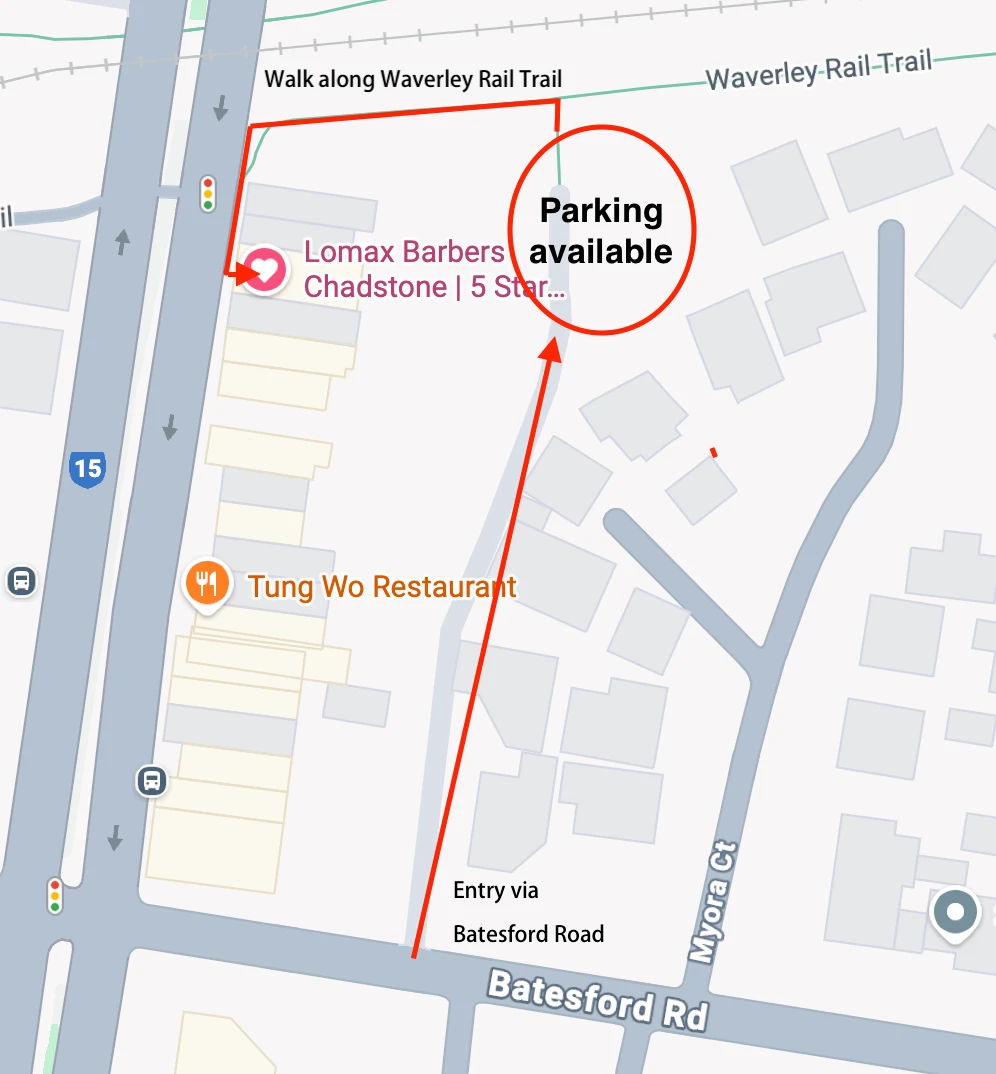
Director/Master Barber
The anxiety of a bad haircut often comes down to simple miscommunication. A clear picture of a desired style is often difficult to translate into words, especially when asking for a high contrast blend. This guide is a playbook to close that gap. It provides a simple framework for choosing a look based on face shape and lifestyle, along with the exact words to confirm it with a barber. At LoMax Barbers, we focus on achieving a transformation that works. Our goal is to ensure every client walks out of our studio in Chadstone feeling confident with a fresh image.

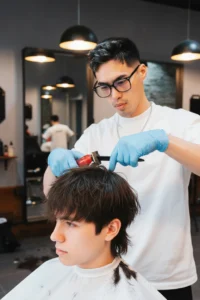
Learning about the different fade styles is the first step toward a great result. Each of these popular men’s fades creates a unique aesthetic and has specific maintenance requirements.
The Low Fade
This is a subtle blend that begins just above the ear. For those wanting a low key clean look, this style is elite. It’s an ideal starting point for professionals because it grows out gracefully. It’s a safer alternative to a short taper fade and typically needs a touch up every 3-5 weeks.
Mid Fades and Versatile Options
This is a middle ground style, starting halfway up the sides. A mid fade haircut delivers a sharp, clean look that’s both safe and stylish. We’re recommending this option for most clients because it balances contrast with a classic shape. It generally requires a visit to the barbershop every 2-3 weeks to maintain the transition.
The High Fade
This is a high contrast style blended near the temples, making the hairstyle the focal point. Some prefer a drop variation for a curved aesthetic. This look is all about precision. The main difference in a high fade versus a low fade is how dramatically it grows out. If more than 2 weeks pass between appointments, the sharp line’ll begin to blur.
Experience a personalised consultative grooming session in Chadstone. Whether you’re seeking a dramatic transformation or a sharp clean line up, our team ensures every detail is perfect.
The Bald Fade or Skin Fade Finish
This term means the blend is taken right down to the bare scalp. It’s a finish we add to any primary style, such as a high or mid skin fade. A razor finish looks incredibly sharp. However, proper skin fade maintenance is crucial. Even the growth of a single day’ll be visible, often requiring a visit every 7-10 days.
The Taper Fade and Neckline Blends
The taper fade is a clean finish focused just around the neckline and sideburns. This cut allows for more length to be kept while still looking groomed. We’re suggesting this for anyone who wants to sharpen a classic scissor cut without a high maintenance commitment. It’s a timeless choice.
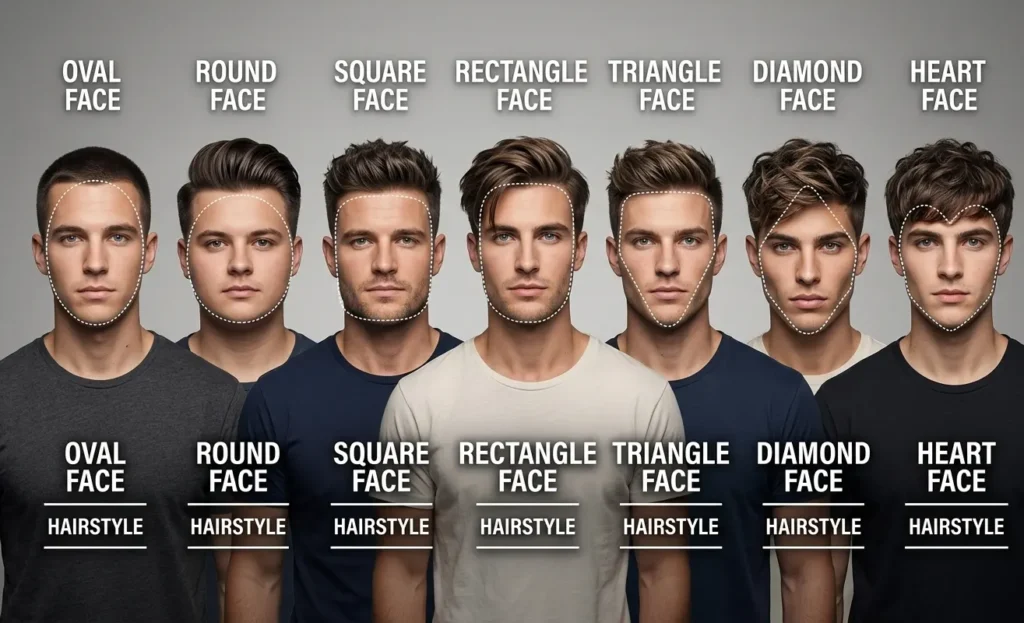
A great hairstyle for men isn’t luck. It’s a correct diagnosis. This is the 2 step process we’re using at LoMax Barbers to ensure the look is structurally balanced. We’re focusing on where the fade starts to ensure the proportions are correct for the client.
Step 1: Match the Blend to the Shape
The goal is to use the transition to create balance, making the face appear more oval. This is the secret to achieving the best fade haircuts for men.
Here’s how this works for two different scenarios to make the concept clear.
Scenario A: A rounder face shape
Scenario B: A longer, rectangular face shape
Here’s how to ensure the barber is on the same page when asking for a fade haircut.
Rule 1: A Photo is the Best Tool
The biggest cause of a disappointing hairstyle for men is miscommunication. A photo creates a clear, precise reference point that eliminates guesswork.
Top Tip: Find 2-3 images of the style or burst fade from the front, side, and back. Searching online for terms like “Thick Wavy Hair Mid Fade” provides realistic examples.
Following up: If we’re suggesting a specific hair type won’t work for a look, a great follow up question is, “What’s the closest we can realistically get to this style?”
Rule 2: The 3 part script for the perfect fade
Use this simple, 3 part script to remove ambiguity from the conversation.
Barber: “So, what are we doing for you today?”
You: (Showing a photo) “I’m looking to get something like this. I’d like a mid level cut (Height), and let’s blend it right down to the skin (Finish). On top, I’d like to keep enough length for a textured crop (Top Style).”
The Result: Guesswork is removed. We’re knowing the exact cut for men required and can focus on executing a precise plan.
An expert will help you build a style that fits your unique features and lifestyle.
KONG
The primary difference is that a low fade is a distinct, comprehensive style, while a taper fade is a more subtle technique used to finish a cut. Choosing between a taper fade and a low fade depends on how much scalp is meant to be visible. A Low Fade involves blends around the entire circumference of the head, starting just above the ears. A Tapered Style specifically targets only the sideburns and the neckline, cleaning up the edges with a very short, tight finish. It’s often applied to traditional hairstyles or even a beard grooming service to provide a sharp finish.
Yes, getting a fade haircut is often an effective strategy for those with thinning hair. A high contrast style, like a high top blend or a skin fade, creates a strong visual anchor on the sides of the head. This technique draws the eye to the sharp, clean lines, which in turn make the hair on top appear fuller by comparison. The key is to pair a very short blend on the sides with textured length on top to maximise this effect.
The best way to style is determined by the top length and the desired finish. The sides require no styling, so all the focus is on the top’s volume. For a short, textured look: a small amount of a high hold, low shine product like a matte paste is ideal. Work it through dry hair to create definition. For a classic look like a pompadour or side part: a pomade is often the preferred choice. A pompadour requires a water based product to offer a firm hold with some shine. Apply it to slightly damp hair and comb it into place. For longer, slicked back styles: a strong hold styling cream’ll provide control without making the hair stiff.
From sharp clean line ups to sophisticated scissor cuts, we’re making sure you’re ready for any event.
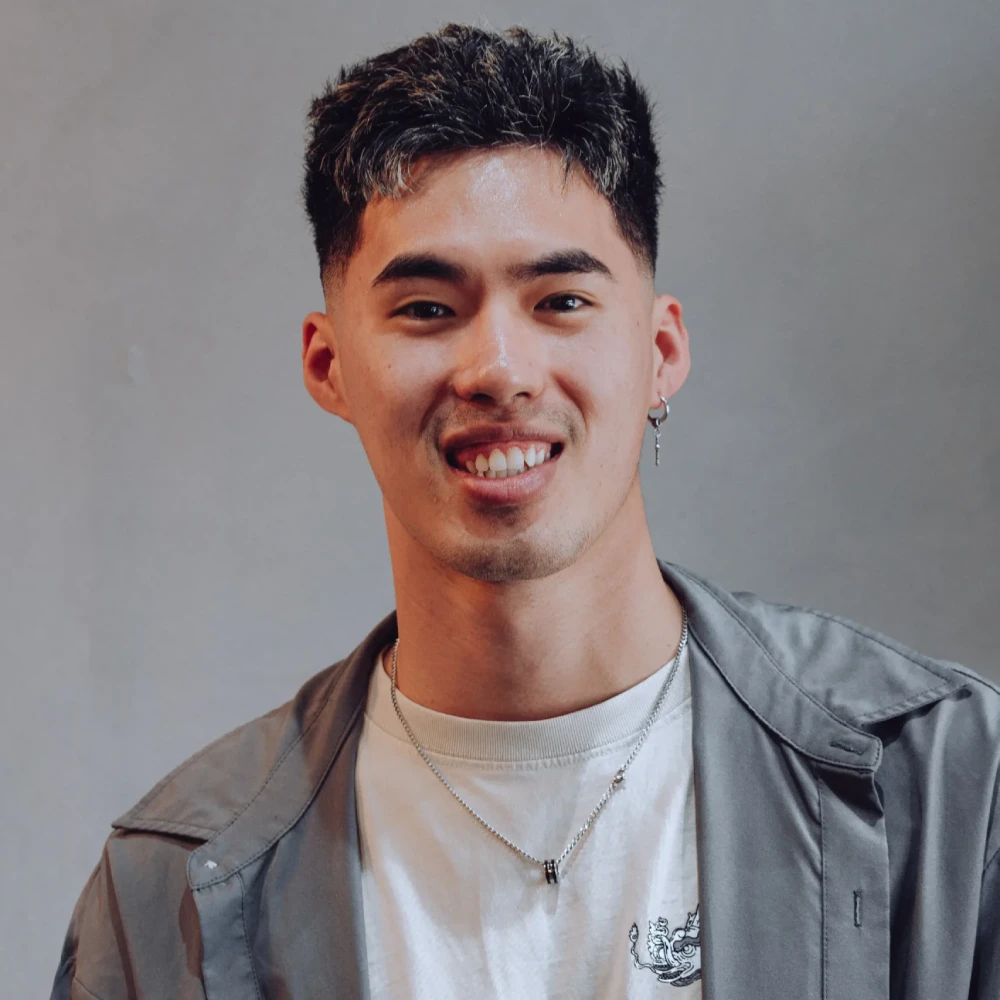
We provide a haircut suitable for your professional or personal needs.
Monday: 10:00 AM – 7:00 PM
Tuesday: 10:00 AM – 7:00 PM
Wednesday: 10:00 AM – 7:00 PM
Thursday: 10:00 AM – 7:00 PM
Friday: 10:00 AM – 7:00 PM
Saturday: 8:00 AM – 5:00 PM
Sunday: Closed