The Complete Guide to Beard Styles & Facial Hair Grooming

Picture of Written By KONG

Written By KONG

Director/Master Barber

Growing great facial hair is not about luck. It’s about having a clear strategy. But knowing where to start, from choosing a style for the beard to building a daily routine for care, can feel overwhelming. This beard guide is a simple, step-by-step blueprint that covers common grooming techniques and tips for beginners. We look at how to match a beard to a specific face shape, get the right tools, and master the habits for a sharp, intentional look that beard grooming services provide.

Key Takeaways: A Blueprint to a Great Beard

    • Start with the shape of your face: Before choosing a beard style, ensure the look creates balance and enhances your features. This is the foundation of effective beard styling.
    • Only a few essential tools are needed: A quality trimmer for the beard, scissors for grooming, a brush of boar bristles, and three core products: wash for the beard, oil, and balm are all that is required for proper care.
    • A defined neckline is non-negotiable: Learning proper beard trimming around the neckline using the rule of two fingers is a vital detail for a sharp, deliberate look.
    • Beard itching has a simple fix: Itching is often caused by dry skin, not the hair itself. Consistent daily use of beard oil hydrates the skin at the source and typically stops irritation within a week.

Step 1. Find the Shape of the Face

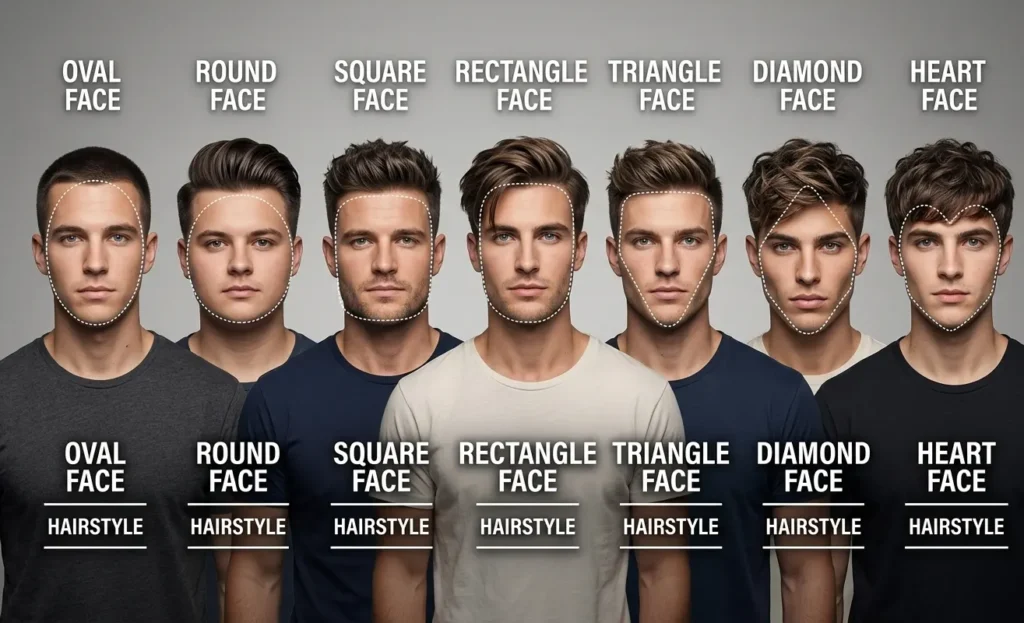
To begin, pull the hair back and look straight into a mirror. Pay attention to the overall outline of the face, comparing the width of the forehead, cheekbones, and jaw. This initial assessment is helpful in selecting a flattering beard style.

Why This Matters

This first step is the foundation of a great look. The goal of grooming for facial hair is to choose a style that creates balance. When this step is skipped, there is a risk of picking a style that might accidentally make a round face look rounder or a strong jaw look weak.

Step 2. Match the Style of the Beard to the Shape of the Face

Once the shape is identified, a beard style can be chosen to create a complementary contrast. This is not just about what looks good. It’s about using facial hair to create a more balanced look. Here’s how we’ll recommend choosing between different types of beards.

Barber Guide - Face Shapes

Facial Outline

Your Haircut Goal

The Barber's Action

The 1 Mistake to Avoid

Facial Outline

Oval

Goal

Maintain balance

Action

Executes a razor-sharp finish on almost any style from a classic crew cut to something modern.

Mistake to Avoid

Heavy fringes: they hide the profile's natural symmetry.

Facial Outline

Round

Goal

Create angles and length

Action

Builds a squarer appearance with height like a quiff to draw the eye upward, often using short on the sides and long hair on the top.

Mistake to Avoid

Soft, chin-length cuts add width to the widest part of your profile.

Facial Outline

Square

Goal

Soften the angles

Action

Uses a Scissor Over Comb technique to create soft and textured layers that break up the hard lines of the jaw.

Mistake to Avoid

Very sharp and geometric cuts that can make the head appear boxy.

  • Oval Face Shapes: This shape is already balanced, so almost any beard style will work. We’ll suggest focusing on keeping it well-maintained with regular trimming.
  • Round Face Shapes: The goal is to add length. A style for the beard that is shorter on the cheeks and longer at the chin helps draw the eye downwards.
  • Square Face Shapes: With a strong jawline, the goal is to soften the corners without hiding them. A fuller beard with rounded lines works well.
  • Rectangular Face Shapes: Add some width to avoid making a face seem longer. A fuller beard on the cheeks adds horizontal volume.
  • Diamond Face Shapes: The aim is to add volume to the chin area to balance out wider cheekbones. A full beard or a wide Goatee does this well.

Transform Your Look with the Lomax Barber Team

Experience a personalised, consultative grooming session tailored to your face shape.

Step 3. A Guide to Different Styles of Beards

Look at this catalogue of popular beard styles to find one that fits both your face shape and personal preference. There are many options to choose from, often best paired with a professional haircut in Chadstone.

Short Beard Styles

These styles are suitable for a sharp, professional look and they’re a great starting point for beginners because they’re easier to control. Proper beard care is still essential for these shorter looks.
  • Designer Stubble: A 3-5 day growth kept at 1-3 millimetres. The key here is to use a trimmer to create sharp lines on the cheeks and neck. Without these lines, the look can appear less intentional.
  • Short Boxed Beard: A full-coverage style, kept short and neatly trimmed. It is a classic style that gives a neat and confident look.
  • The Classic Goatee: Hair is kept only on the chin and moustache. This is an excellent option if hair growth is strongest in these areas, as it avoids any patchiness on the cheeks.

Medium and Long Beard Styles

For those ready to commit to more growth, these styles require more patience. Longer beards demand a dedicated care routine.
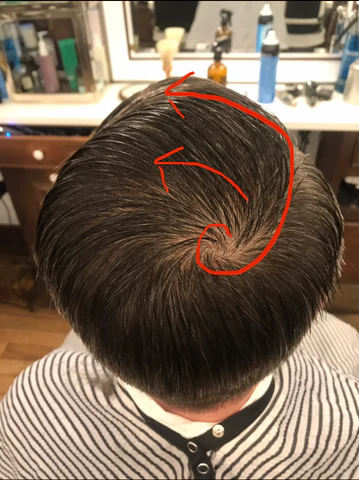
  • The Full Beard: Growing a full beard is a test of patience. Our advice is to allow at least 4-6 weeks of uninterrupted growth. It is important to observe the hair’s natural growth pattern before we start shaping.
  • The Garibaldi: This style is defined by a wide, rounded base and a connected moustache, typically kept to a maximum length of 15-20 centimetres.

Trending Beard Styles

These are modern facial hair styles we’re seeing more often right now.

  • The Beardstache: A prominent, full moustache with shorter stubble on the rest of the face. It is a strong look that’ll require consistent effort. Maintaining the moustache is key to the look’s success.
  • The Beard Fade: This is a technical style where a haircut is smoothly blended into the facial hair. It creates a clean look that often benefits from a barber’s skill, especially when paired with a skin fade.

Step 4. The Essential Toolkit for Beard Grooming

A great set of whiskers is built, not just grown. These’re the tools and products we’ll recommend for a routine of grooming for facial hair.

The Tools Needed

  • Trimmer for the Beard: The main tool for maintaining an even length. A good trimmer is a reliable way to maintain a chosen beard style.
  • Scissors for Grooming: Used for snipping the stray hairs that grow faster than the rest.
  • Brush of Boar Bristles: The stiff bristles’ll help clear dead skin cells from beneath the beard, which is a common cause of flakes.
  • Wooden Comb for the Beard: Used to detangle long beards without creating frizz.

The Products Needed

  • Wash for the Beard: We recommend using a cleanser designed specifically for beards.
  • Grooming Tip: Regular shampoo for the hair is often too harsh for the face. It can strip the skin’s natural oils, leading to dryness. A pH-balanced wash is designed to work with the skin’s chemistry.
  • Oil for the Beard: Use oil for grooming for the skin underneath, not just the hair. Look for products with natural carrier oils that’ll moisturise the skin to help prevent itchiness.
  • Balm for the Beard: Use balm for the hair itself. It typically contains light waxes to provide a hold, tame flyaways, and make a beard look fuller and more deliberate.

Step 5. A Five Minute Daily Routine

A routine at the home is what keeps a look pristine. These’re common grooming tips for beginners.

How to Trim at Home

We recommend trimming facial hair when it is completely dry. Wet hair is longer than dry hair. Trimming it wet can result in cutting off too much. While we’re defining lines, use scissors for grooming to snip any hairs covering the lip. For regular maintenance between more detailed sessions, a Haircut and Beard service will keep everything looking sharp.

  1. 1. Start with a Long Guard: Set the trimmer to the highest setting, for example, number 4 or 12 millimetres, and trim all over. If that’s not short enough, switch to the next guard down.
  2. 2. Trim With the Grain: Move the trimmer downwards in the same direction the hair grows. This’ll help prevent pulling and skin irritation.
  3. 3. Define the Lines: Use the trimmer with no guard to carefully clean up the cheek and neck lines. A steady hand is key.
  4. 4. Cut Stray Hairs: Use scissors for grooming for any final, stubborn hairs the trimmer has missed.

How to Trim a Neckline for the Beard

Learning how to properly trim a neckline for a beard is very important during a trim at home.

  1. 1. Find the Lowest Point: Place two fingers above the Adam’s apple. The top of the highest finger marks the bottom line.
  2. 2. Imagine a U Shape: Picture a curved line running from behind each ear down to that central point. Use a trimmer to gently trace this guideline.
  3. 3. Shave Everything Below: Carefully shave all the hair below this line for a clean finish.

Why This Matters

A clean neckline makes a beard look intentional. Setting the line too high is a common mistake that’ll make a jawline look less defined.

Troubleshooting Common Problems of the Beard

Even with a consistent routine, roadblocks can happen. Here’re common ways we’ll suggest to fix grooming issues with facial hair. Whether you’re from Oakleigh, Malvern East, or Huntingdale, keeping a sharp look’s easy with the right plan.

The Fix for the Itch of the Beard

Initial itching is a common reason people will stop growing a beard. It is often caused by dry skin and the sharp edges of new hairs. The fix is often simple. Apply oil for grooming every day. The oil’ll soften the hair tips and hydrate the skin. The itch typically goes away within a week of consistent use.

The Fix for Flakes of the Beard

Flakes are often just dry, dead skin. We’ll recommend a two-step fix. First, physically remove dead skin by brushing with a boar-bristled brush before showering. Second, apply beard oil after the shower to deeply hydrate the skin beneath.

The Fix for a Patchy Beard

Beard density is mostly genetic, but a great look is still possible.

  1. 1. Let It Grow for 3 Months: We’ll recommend resisting the urge to trim for at least 3 months. This gives longer hairs from denser areas a chance to grow and cover patchier spots.
  2. 2. Assess and Pivot: After 3 months, if it is still patchy, there are still options. This is the time to pivot to a Goatee or Beardstache that’ll play to specific growth strengths.

When to See the Team of Lomax Barbers

While day-to-day maintenance can be handled at home, visiting a barber is helpful for grooming, especially in two key situations.

  1. 1. For the Initial Shape Up: Getting the foundational lines right from the start’ll make maintaining the home much easier. The team can see the angles of the face in ways that are difficult to see in a mirror.
  2. 2. For Special Events: For weddings, birthdays, or technical styles like a beard fade, precision makes a noticeable difference. We’ll use tools like a straight razor to create edges that’re sharper than a trim at home.

This guide will provide the tools needed to maintain an excellent beard. For that initial setup or a special occasion, visiting the studio of Lomax Barbers in Chadstone’ll provide a solid foundation.

Build a Beard to be Proud Of

We established Lomax Barbers to provide detailed and transformative haircuts. The team can help create a foundation with a personalised consultation and trim. 

Book online at lomaxbarbers.com.au or call 0401 523 371.

An expert will help you build a style that fits your unique features and lifestyle.

Frequently Asked Questions

What is the difference between oil for the beard and balm for the beard?

The primary difference lies in the products’ functions. Oil for the beard is a moisturiser for the skin beneath facial hair, designed to help prevent dryness and itching. Balm for the beard is a styling product for hair. It typically contains light waxes to provide a hold, tame flyaways, and make a beard appear fuller. For beginners, oil for the beard is often the most suitable purchase for the first time.

A common strategy for a patchy beard will involve patience and choosing the right style. First, we’ll suggest letting the hair grow untouched for at least 3 months. This will allow longer hairs from denser areas to grow and provide coverage over thinner spots. After that period, if patchiness persists, a style can be chosen to accentuate strong points, such as a Classic Goatee or a Beardstache.

The commitment of time is often minimal and it can be broken into two parts:

  • Daily Routine: Under five minutes. This’ll involve applying oil for grooming and brushing it through with a boar-bristled brush. This simple action helps keep the skin hydrated and the hair neat.
  • Weekly Routine: 10-15 minutes. This’ll involve a trim to maintain the length and redefine the lines of the cheek and the neck.

One way to grow a beard without a messy phase is to have it shaped by the Team at Lomax Barbers every 4-5 weeks during growth. The barbers will maintain clean lines on the cheeks and neck and trim fast-growing stray hairs without removing significant length. This helps the beard look intentional at every stage of growth.

Experience the Difference with Lomax Barbers

Enjoy VIP treatment and precision grooming at our Chadstone studio.

On This Page:

KONG

Director/Master Barber

Explore More From LoMax Barbers

You might like some of our other pages.

Get in Touch

We provide a haircut suitable for your professional or personal needs.

Opening Hours

Monday: Closed

Tuesday: 10:00 AM – 7:00 PM

Wednesday: 10:00 AM – 7:00 PM

Thursday: 10:00 AM – 7:00 PM

Friday: 10:00 AM – 7:00 PM

Saturday: 8:00 AM – 5:00 PM

Sunday: Closed
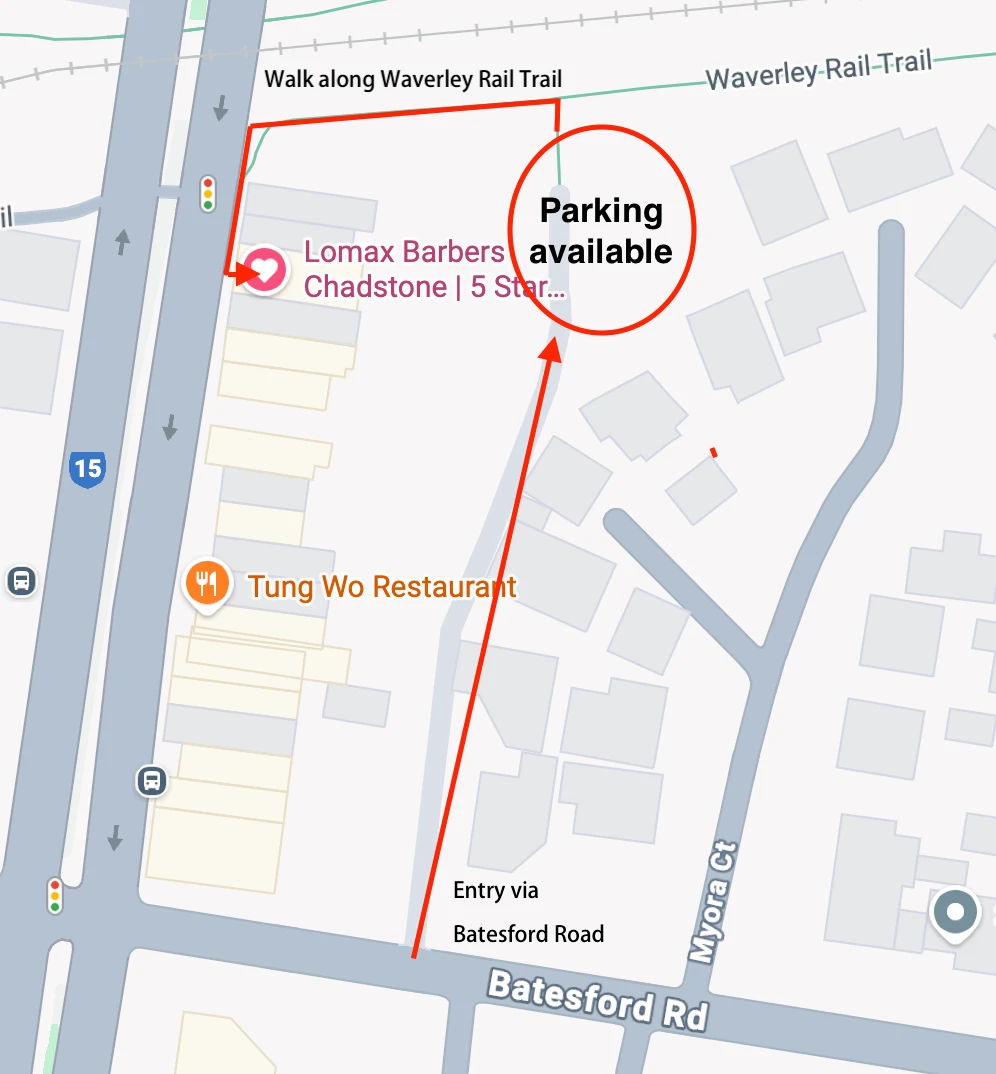
Parking Map & Details