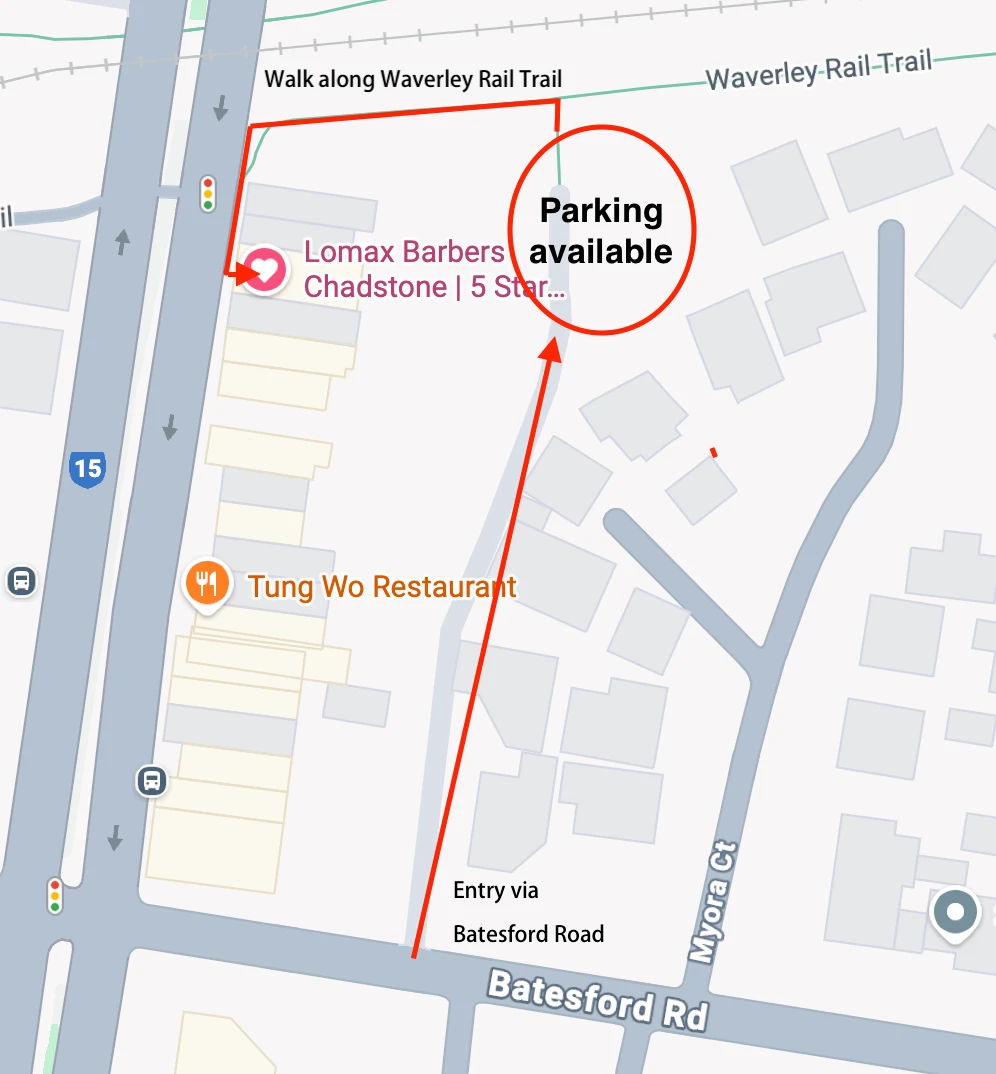
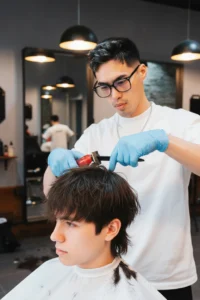
Director/Master Barber
The professional framework barbers use for a perfect men’s style is a three-part analysis of your unique 3D head shape, hair texture and daily routine. This method is far more effective than just using generic guides when you choose your look. While those charts are the most common advice you’ll find online, they’re also the number one reason many Australian men are often disappointed with their final look. This is especially true even when choosing popular short on the sides, long on the top haircuts. The growing demand for personalised grooming is clear, with the Australian men’s grooming market projected to reach over AUD 1.4 billion by 2035. This reflects a shift towards expert, tailored experiences.

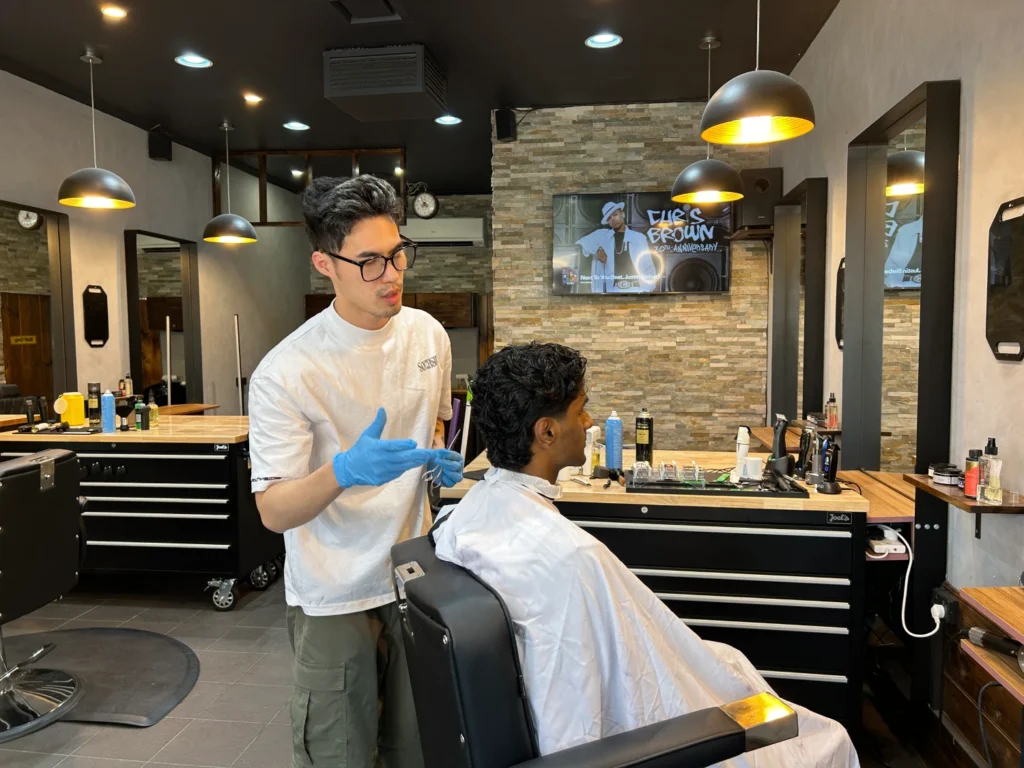
The biggest problem with online guides for different face shapes is that they treat your head like a flat photograph. This ignores the 3D reality a barber has to work with and leads to the most common styling mistakes. Research on facial soft tissue thicknesses in Australian adults confirms that proportions are complex, with significant variations at the chin and cheeks that a simple 2D shape can’t capture.
For example, a guide might suggest specific hairstyles for round faces to create height, like a high fade. But what if that person has a prominent Occipital Bone, which is the bone at the back of the skull? That’s a quick way to have your style game hit a wall.
What a Barber Actually Checks For
Your hair’s texture is more than just fine or thick. The critical factor is its Hair Porosity, which is how well your hair absorbs and holds moisture. This physical property determines which styles are possible. According to the Australian Institute of Trichology, understanding hair science is fundamental to successful styling. Even a haircut that looks good on every face shape will fail if the hair texture can’t support the style. Your face shape significantly influences choices, but texture is king. This is especially true in a diverse country where dark hair is the most common type, accounting for about 85% of the population.
The Mechanics of Hair Texture
You can find your porosity with a simple test:
Low Porosity: If the hair floats for a long time, its outer layer is tightly sealed. It resists moisture, and products tend to sit on its surface.
High Porosity: If the hair sinks, its outer layer is more open. It absorbs water quickly but can also lose it just as fast, often leading to frizz.
How to Choose the Right Products from the Salon
For Low Porosity hair, you’ll need lighter, water-based products like a grooming cream that won’t just sit on the surface.
For High Porosity hair, you’ll need richer products with oils or butters like a styling cream to seal in moisture and prevent it from drying out.
Let’s find the perfect style that’s actually built for your features and personal routine.
A great style has to be practical. An honest conversation about your day-to-day life is a key part of the process, as it ensures the look is sustainable. A long, high-maintenance pompadour that needs a blow dryer and layers of product just won’t work for someone who works outside, hits the gym at lunch or needs a sharp look for special occasions. Home maintenance is clearly a priority, with data showing that over 17 million Australians purchase shampoo every six months.
The Mechanics of Your Day-to-Day and Hairstyles
The moment you start sweating, heat and moisture will break down any styling product. This is why the consultation is so critical: our barbers are trained to ask how you live first. This ensures the final look we design is one you can actually manage in 5-10 minutes at home. The best haircuts are ones that work for your daily life, not against it.
The Solution Is To Be Honest With Your Barber
"A haircut is not a template: it's an engineering project for your skull."
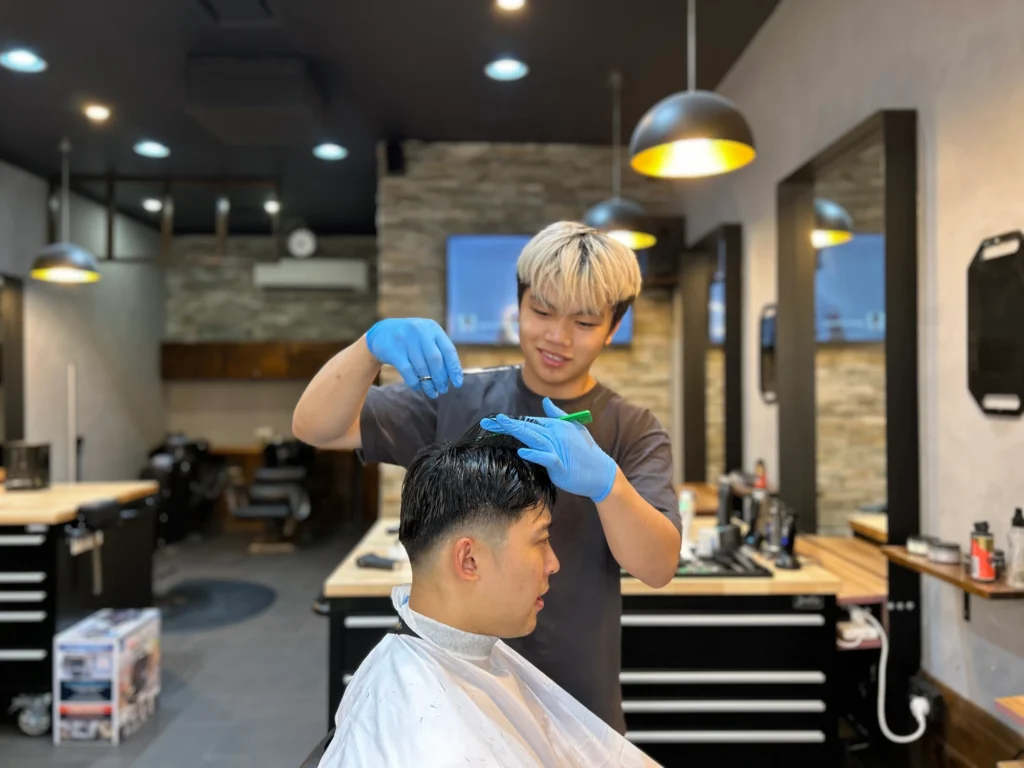
The final step is to use this knowledge at your next appointment. The fear of getting another bad style often stops people from speaking up, but asking the right questions is the key to getting a good result. This is especially true if you want to see what you’d look like with short hair for the first time.
What If My Barber Ignores Me?
A truly great barber’ll be happy to answer these questions. If they seem unsure or brush them off, it’s a red flag. It means they likely rely on a one-size-fits-all approach. There are plenty of skilled professionals to choose from, with approximately 68,300 people employed as hairdressers and barbers in Australia. My honest advice is to finish your appointment and find a new salon or barber for your next one.
A great haircut doesn’t come from a chart: it comes from an expert-led conversation. It’s the difference between gambling on generic advice and working with a professional who designs a look where hairstyles’ll complement your natural features. It’s the difference between guessing and absolutely soaring above the rest.
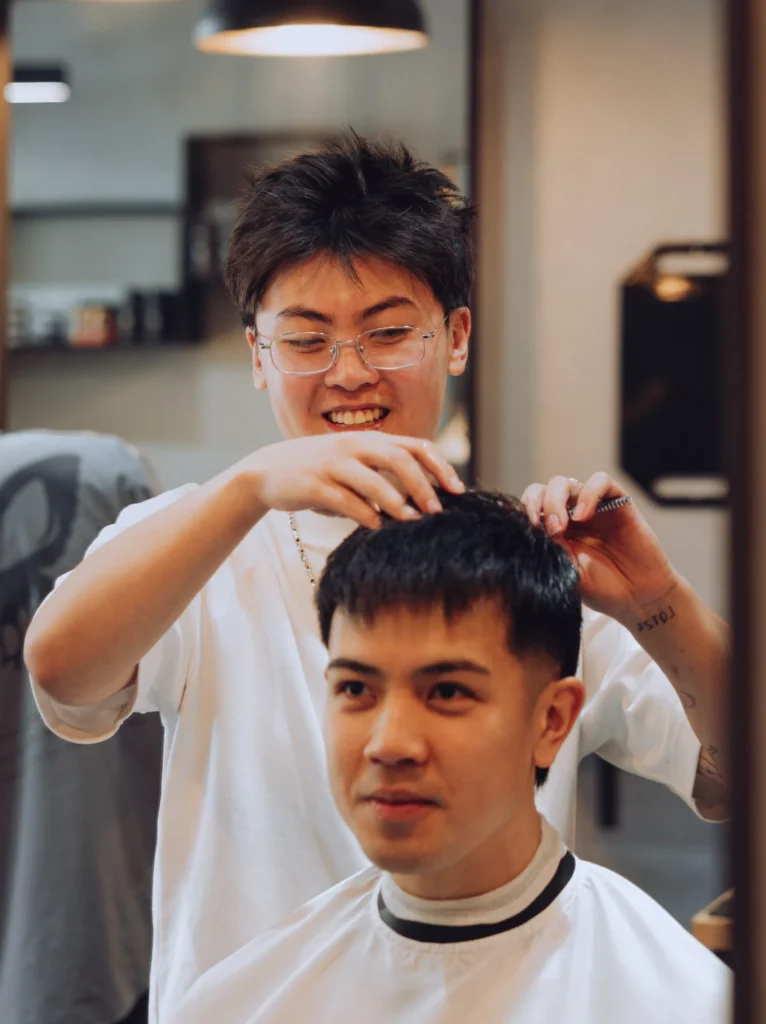
A professional analysis of three key factors is more important than your face shape. These are the skull’s 3D structure, your hair’s texture and porosity and your personal routine. A haircut that accounts for a bump on your skull and suits your five-minute morning routine’ll always look better than one chosen from a 2D chart of different faces.
You can choose the right hairstyle by having a consultation with a barber who assesses your individual features. Instead of focusing on your face shape, discuss your daily routine and hair texture. Ask the barber for their expert opinion on what looks best suit your specific head shape. This approach ensures you get a style tailored to you personally, which is more effective than matching a generic template for face shapes like the oval face.
Yes, you’re able to get a fade, but the type of fade matters. If you have a prominent occipital bone, a high fade can create an unbalanced shelf effect. A better choice would be a low fade or a classic taper. These styles work with the natural curve of your head, resulting in a cleaner, more seamless blend that grows out much better and’ll complement your features.
If your hair gets greasy quickly, you likely have low porosity hair where moisture and products sit on the surface. Hairstyles that work well include textured crops with layers, classic crew cuts and any style that requires minimal, lightweight products. Using a water-based grooming cream or a sea salt spray instead of heavy oils or pomades’ll help control the greasy appearance.
The main difference is how short the hair gets and how it blends. A taper gradually gets shorter down the back and sides of the head but typically leaves some visible length at the hairline. A fade, by contrast, is a style that blends the hair down to the skin, so the hair appears to fade away. A taper’s often considered a more classic or professional look, while a fade provides a sharper, more modern finish.
A style often looks bad after a week because it wasn’t cut to suit your specific hair growth patterns like cowlicks or your head’s shape characteristics. When a barber uses a generic, one-size-fits-all approach, the style can look great initially but’ll grow out awkwardly. A cut designed with your individual features in mind’ll maintain its shape for much longer.
Let our expert consultation analyse your head shape, hair and daily life.

We provide a haircut suitable for your professional or personal needs.
Monday: Closed
Tuesday: 10:00 AM – 7:00 PM
Wednesday: 10:00 AM – 7:00 PM
Thursday: 10:00 AM – 7:00 PM
Friday: 10:00 AM – 7:00 PM
Saturday: 8:00 AM – 5:00 PM
Sunday: Closed