Director/Master Barber
Thick hair can be a double edged sword. While it provides the natural volume of the hair, it can quickly become unruly, puffy, and a daily challenge to manage. The secret to learning how to manage thick hair for men is not to fight it. It’s to choose a tight cut that’s specifically designed to work with the natural density of the hair. Managing heavy locks requires a strategic approach. Once the basics are mastered, the look remains sharp for weeks.
This guide is a game plan for those blessed with high density strands. We’ll walk through the best haircuts for men, explain the techniques that provide control, and give the exact words to use with our team. This ensures a result that looks great from day one and grows out properly. Whether you’re a professional in Mulgrave or a student in Clayton preparing for a night out, understanding the mechanics of the hair is the first step toward effortless style.

If a look that’s easy to manage and requires minimal daily effort is the goal, these options are the answer. With these cuts, the fundamental shape does the work, allowing for less time in front of the mirror. When the foundation is right, hair becomes a tool for confidence rather than a source of frustration.
1. The Textured French Crop or Mod Cut
A modern mod cut features a sharp fade on the edges and back, with a longer fringe on top that’s styled forward with intentional texture. This is for anyone who wants a fashionable look that’s simple to style each morning. It’s particularly effective for those who want to hide a high hairline while embracing natural thickness.
When speaking to our team, ask for a crop with a high fade, but make sure to emphasise the need for movement and texture on top. We use a technique called point cutting which removes weight while creating a jagged finish. Without movement, thick hair on a fringe can look like a solid, heavy block. Thinning it breaks it up, making it look lighter. This textured approach ensures that as hair grows, it retains shape rather than expanding horizontally.
The best styles for density rely on a fade or taper. This is by design. Fades solve the most common problem for thick haired men, which is the periphery puffing out during growth. High fades work well here because they eliminate bulk precisely where it’s most annoying, creating a streamlined silhouette that complements the shape of the face. At LoMax Barbers, the team takes a consultative approach to ensure the height of the fade matches the goals of the aesthetic perfectly.
By starting very tight and gradually getting longer, a fade removes bulk right where it causes problems. It’s a clean, sharp foundation that supports any thick hairstyles on top. Once we’ve sorted the layers, the look’ll command the room. The taper technique allows for a more conservative transition, while a skin fade offers a high contrast transformation that’s perfect for special occasions like weddings or birthdays. For a complete transformation, many clients combine this with a service for a haircut and beard to ensure the fade blends into the facial hair. We use razor shaves on the neckline to ensure every edge is crisp, providing that personalised treatment.
If keeping some length and using the natural volume of the hair as a strength is preferred, these styles are the answer. They rely on clever cutting techniques like layered cuts for thick hair to ensure the final result is stylish, not chaotic. These options require a bit more styling effort but offer a reward in terms of personality and flair.
3. The Modern Quiff for Thick Wavy Texture
A classic style where thick wavy strands are directed up and back from the forehead, creating height that elongates the face. This is for anyone who wants a statement look and is willing to spend a few minutes with a blow dryer and a quality product to achieve lift. If wavy hair falls flat during the day, it’s often because it has become too heavy. We’ll use internal layering to remove hidden weight without making it look thin. This is the non-negotiable step for a quiff and one of the best layered cuts for thick hair. Proper weight distribution is what separates a professional cut from a disaster.
4. The Two Block Cut for Thick Straight Strands
This is a popular look with a sharp disconnection. The top section of thick straight hair is left long and drapes over the periphery, which is cut much tighter on the sides. This was specifically engineered to manage thick, heavy hair. By removing weight from the lower half of the head, it forces the long top section to sit cleanly without puffing out at the edges. It’s a solution to a common problem, allowing for maintained length while enjoying the maintenance benefits of a short cut underneath.
Now that you know the principles, let our expert barbers translate that knowledge into a precision haircut you’ll love.
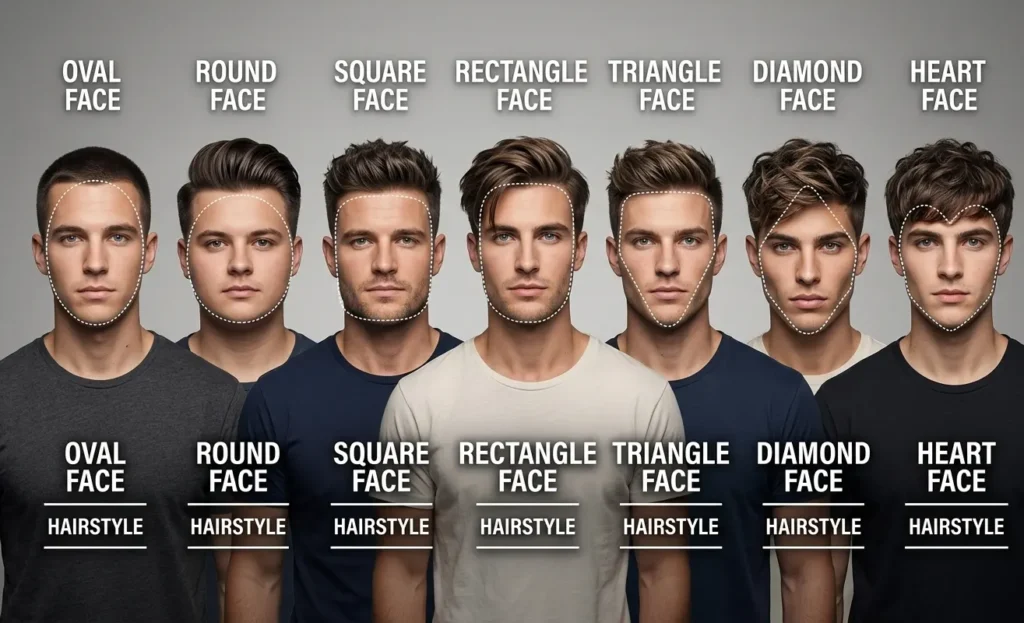
Knowing the right look is only half the battle. An expert is needed to execute it properly. At LoMax Barbers, we take a consultative approach, providing personalised recommendations based on unique face shapes and the needs of the lifestyle. We’ll not just follow trends. We create styles that work for you.
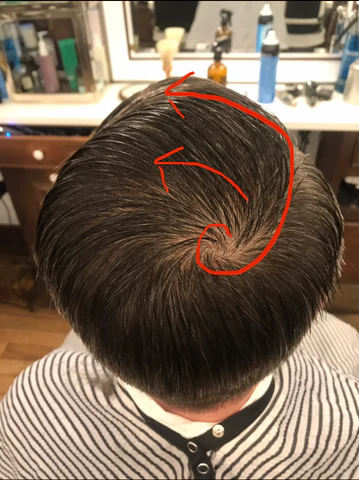
You now have a logical plan. A professional barber serves as a guide, translating your vision into a technical reality. This expertise is central to the hairdressing industry, which the Australian Hairdressing Council notes contributes over $3 billion in services to the economy each year. Our barbers are trained to act as expert partners, collaborating with you to refine your plan based on their experience and guarantee a result you’ll feel confident in.
An expert will help you build a style that fits your unique features and lifestyle.
KONG
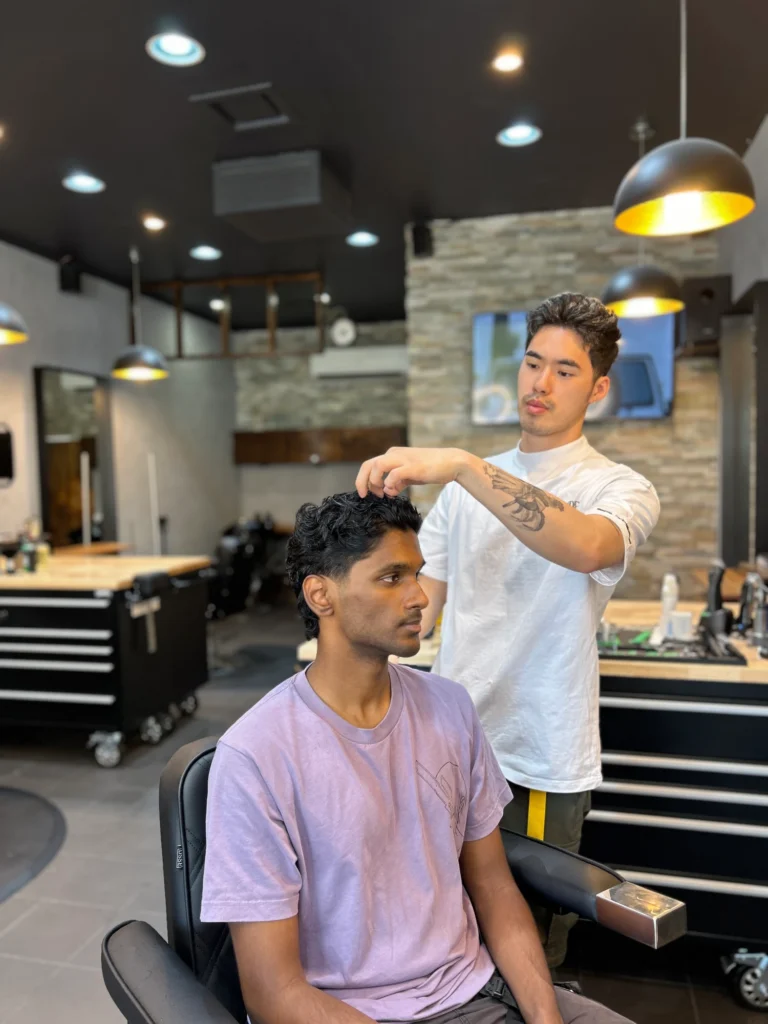
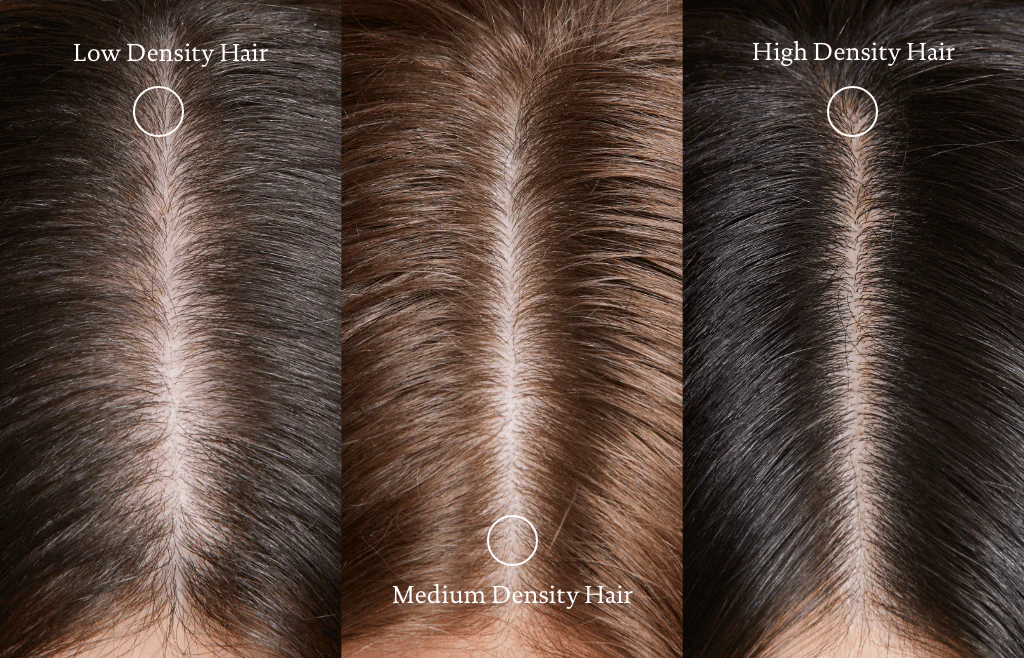
The best product depends entirely on the aesthetic desired. For thick hair, the choice’s a tradeoff between texture for tight looks and structured volume. We’ll always recommend choosing high quality options that don’t weigh the hair down. For thick curly or textured looks, a high hold matte clay’s often the ideal choice to reduce visual bulk and provide a natural finish. For a modern quiff, a pre styling sea salt spray on damp hair followed by a pomade after blow drying provides foundational grip and lift.
The ideal frequency for cutting thick hair’s determined by the style and the goal of controlling bulk. Because thick hair can feel heavy quite quickly, staying on top of appointments’s vital for comfort. For short, faded styles, every 3-4 weeks is recommended. To keep the appearance sharp between major cuts, consider booking a clean line up to redefine the hairline and the beard. For medium or layered styles, every 5-7 weeks ensures the internal weight removal remains effective.
Puffiness in thick hair’s caused by unmanaged bulk. The most effective solution’s the cut itself, not products alone. At LoMax Barbers, we specialise in these transformations, taking hair from overgrown to sharp in a single session. To further refine the look, we’ll often suggest a service for a haircut and eyebrows to ensure the features of the face are not overshadowed by dense hair. The primary solution’s to physically remove the weight through a sharp fade or taper and internal layering.
The most effective way to communicate with an expert’s to present a problem to solve. Instead of just showing a picture, you might say: “I like the look of this French crop, but the biggest problem’s that the perimeter always puffs out after a couple of weeks. I also only have two minutes to style it in the morning. What are the best styling tips to make sure it grows out well?” This ensures our team understands the true goal and can use a higher fade or internal thinning to solve the puffiness issue. If an extra level of polish’s desired, ask for an eyebrow clean up to sharpen the overall profile.
Whether you’re from Chadstone, Clayton, Mulgrave, or Oakleigh, you can get the LoMax Barbers experience today. Experience the difference of a truly consultative experience, where the focus’s on the details that make a person stand out.
Let our expert barbers craft a style that fits your unique features and lifestyle.

We provide a haircut suitable for your professional or personal needs.
Monday: 10:00 AM – 7:00 PM
Tuesday: 10:00 AM – 7:00 PM
Wednesday: 10:00 AM – 7:00 PM
Thursday: 10:00 AM – 7:00 PM
Friday: 10:00 AM – 7:00 PM
Saturday: 8:00 AM – 5:00 PM
Sunday: Closed